Best Time of Year to Snorkel in Caye Caulker: Month-by-Month Guide
The best time to snorkel in Caye Caulker is December through May, when the trade winds are at their lightest, the sea lies flat most mornings, and visibility on the reef reaches 30 to 50 feet. June and July are the strong runner-up: warmer water, thinner crowds, and mornings that stay calm before the afternoon breeze builds. The window to be careful with is August through October, the heart of hurricane season, when trips still run most days but short-notice cancellations happen. The water itself never gets cold, 78 to 84°F (26 to 29°C) every month of the year, so this guide is really about wind, seaweed and crowds, month by month.
Quick answer
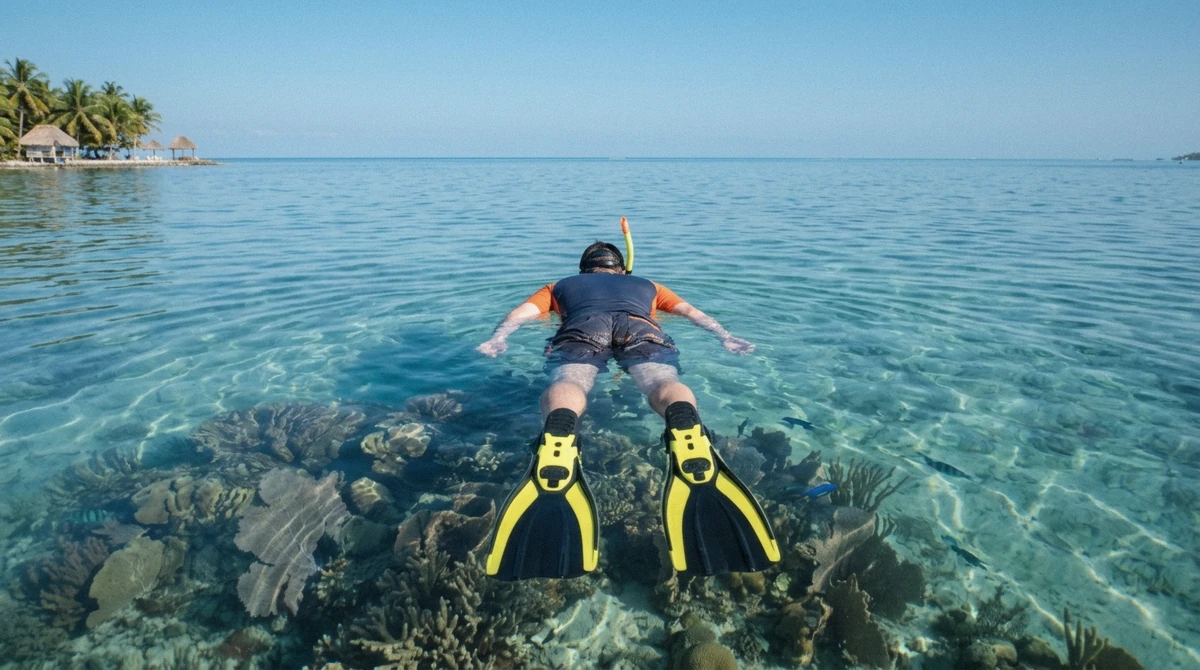
December through May is the best window: the calmest seas, the clearest water and the most reliable boat schedule of the year. The water is warm in every month, so the deciding factors are wind, sargassum and hurricane risk, not temperature.
Key takeaways
- Best overall: December to May, flat morning seas and 30 to 50 ft visibility on the reef
- Best value: June and July, warm lull weather with fewer boats at each site and cheaper rooms, compared in where to stay on Caye Caulker
- Be careful: August to October is peak hurricane season, so book trips with free cancellation, like the seven-stop full day
- Counterintuitive but true: rain does not ruin snorkeling here, sustained wind does, because chop stirs sand and cuts visibility
- Mornings beat afternoons in every month; the early-start Hol Chan full day leaves an hour before the other boats
- Sargassum drifts in heaviest from March to October, but the snorkel sites sit offshore past the beach and are rarely affected
Every Month at a Glance
Read the verdict column as our honest call for a trip built around the reef, not the beach. Conditions below are the typical pattern; any single week can beat or break the average.
| Month | Water & conditions | Weather | Crowds | Verdict |
|---|---|---|---|---|
| January | Flat mornings, 30-50 ft visibility | Dry, occasional cool north front | High | Excellent, book ahead |
| February | Glassy spells, superb visibility | Driest stretch begins | High | Best overall |
| March | Calm seas, first sargassum drifts | Dry and sunny | Peak (spring break) | Great, crowded weeks |
| April | Clear and calm, warmest dry month | Driest month of the year | High | Best light, thin rain |
| May | Calm, water warming past 82°F | Dry season winding down | Moderate | Great, better value |
| June | Warm water, calm mornings | Wet season starts, brief downpours | Moderate | Good early-summer lull |
| July | Morning calm before afternoon breeze | Short storms, plenty of sun | Moderate (summer break) | Good, watch afternoons |
| August | Warmest water of the year, 84°F | Hurricane season building | Low to moderate | Fine, stay flexible |
| September | Sea state unpredictable | Peak hurricane risk | Lowest of the year | Riskiest, cheapest |
| October | Chop and rain more frequent | Wettest month, storm peak | Low | Avoid if inflexible |
| November | Seas settling week by week | Rain easing, storms fading | Low | Good value transition |
| December | Calming into dry-season form | Dry season begins | High from mid-month | Excellent, festive rush |
The pattern to take away: the year has one long good stretch from late November to July, with the true peak from December to May, and one stretch to treat carefully from August to October.
Typical Temperatures and Rainfall
Figures below are typical values drawn from long-term climate records for the Belize cayes, as published by the Belize National Meteorological Service; check the current forecast close to your dates.
| Month | High | Low | Rain |
|---|---|---|---|
| January | 81°F / 27°C | 75°F / 24°C | Moderate |
| February | 82°F / 28°C | 75°F / 24°C | Low |
| March | 84°F / 29°C | 76°F / 25°C | Low |
| April | 86°F / 30°C | 78°F / 26°C | Lowest |
| May | 87°F / 31°C | 79°F / 26°C | Low to moderate |
| June | 87°F / 31°C | 80°F / 27°C | High |
| July | 87°F / 31°C | 80°F / 27°C | High |
| August | 88°F / 31°C | 81°F / 27°C | High |
| September | 87°F / 31°C | 80°F / 27°C | Very high |
| October | 85°F / 29°C | 79°F / 26°C | Very high |
| November | 83°F / 28°C | 77°F / 25°C | High |
| December | 81°F / 27°C | 76°F / 24°C | Moderate |
April is the driest and sunniest month, October the wettest by a wide margin, and August brings the warmest sea. The air never strays far from the low 80s°F (high 20s°C), which is why nobody packs a wetsuit for this reef.
Best Season by Traveler Type
If You want the clearest water for photos
February to April, when the glassy mornings and high sun give the reef its best light
If You are bringing kids or nervous swimmers
December to May mornings, the calmest sea state of the year; pair it with our guide to snorkeling for non-swimmers and kids
If This is your first snorkel trip and you want the safest bet
January to April, when weather cancellations are rarest and every boat runs on schedule
If You are chasing value
June, July or November, when rooms drop and the reef is still in good form, with the trade-off of occasional afternoon chop
If Manatees are the priority
Any month works, sightings track the seagrass zone rather than a season, so pick a calm-sea month and a full-day boat that searches the North Channel
Dry Season (December to May): The Glassy Months
This is the Caye Caulker of the postcards. The northeast trade winds drop to their gentlest, the lagoon between the island and the reef lies flat at dawn, and visibility at the southern sites runs 30 to 50 feet on the good days. It is also when the island is fullest: rooms from December to May fill months ahead and the best-reviewed boats sell out days in advance, so this is the season to book the seven-stop full day before you fly rather than after you land.
- Air 81 to 87°F (27 to 31°C), water 78 to 82°F (26 to 28°C)
- Crowds peak over Christmas, New Year and the March spring-break weeks
- Booking lead: reserve tours 3 to 7 days out, rooms 2 to 3 months out
- Trade-off: this is the most expensive stretch of the year for everything except the tours themselves
Wet Season (June to November): Lull, Peak, Recovery
June and July: The Early-Summer Lull
The wet season opens gently. Rain arrives as short, hard downpours that pass within the hour, mornings stay calm, and the water climbs toward its warmest. Crowds thin out compared with the winter peak, and this is when a morning departure matters most: the sunset-cruise half-day still runs its afternoon slot happily, but face-down reef time is best spent before the breeze builds after lunch.
August to October: The Hurricane Peak
The official Atlantic hurricane season runs June 1 to November 30, and its Belize peak is August through October, with October the wettest month of the year. Here is the honest picture: most days are still boat days, the sea between systems can be beautiful, and September brings the emptiest reef and cheapest rooms of the year. The risk is not that a hurricane will probably hit, it is that a storm passing anywhere in the western Caribbean can push wind and swell here for days, and operators cancel on short notice when it does.
Travel in these months only with flexible plans: free-cancellation bookings, a spare morning in the itinerary, and no reef trip scheduled for your final day.
November: The Quiet Recovery
Storm risk fades fast through November and the seas settle week by week. Crowds have not returned yet, rooms are still at low-season rates, and by the second half of the month conditions are close to dry-season form. For travelers who want peak-season water without peak-season prices, late November is the smartest week on the calendar.
The Sargassum Question, Month by Month
Sargassum is the drifting brown seaweed that periodically piles up on Caribbean shorelines, and no honest guide to this island skips it. The pattern in recent years: arrivals run heaviest from March through October, with the thickest windrows typically June to August, and the shoreline is mostly clear from November through February. Two things keep it from ruining a snorkel trip.
First, it moves on wind and current, not on a calendar, so a bad week can be followed by a clean one in any month. Second, and more important, the snorkeling happens offshore: the boats run you out past the beach line to reef sites where the water is clean, and the Split, the island's swimming spot, has current running through it and usually stays clear. Sargassum is a beach problem and a sea-view problem far more than it is a reef problem.
If a shoreline view matters to your room choice, that side of it is covered in where to stay on Caye Caulker.
What Actually Affects Conditions Here
Most people assume rain is the enemy. It is not. Rain falling on the sea does almost nothing to what you see underneath it, and some of the best visibility of the year comes minutes after a downpour, when the air clears and the light goes soft.
The mechanism that actually governs your snorkel day is wind. Sustained trade wind builds chop, chop stirs the sandy bottom at the shallow sites, and stirred sand is what turns 40-foot visibility into 15. Wind is also what cancels boats: operators call trips off for sea state, almost never for rain.
That is why the calm-wind months of December to May are the best months, why mornings beat afternoons all year, and why a grey, drizzly, windless morning is secretly a great day to be on the reef. The one caveat is run-off after days of heavy rain, which can cloud the nearshore sites for a day or two; the southern reserve sites, being further out, clear first.
Best Time of Day
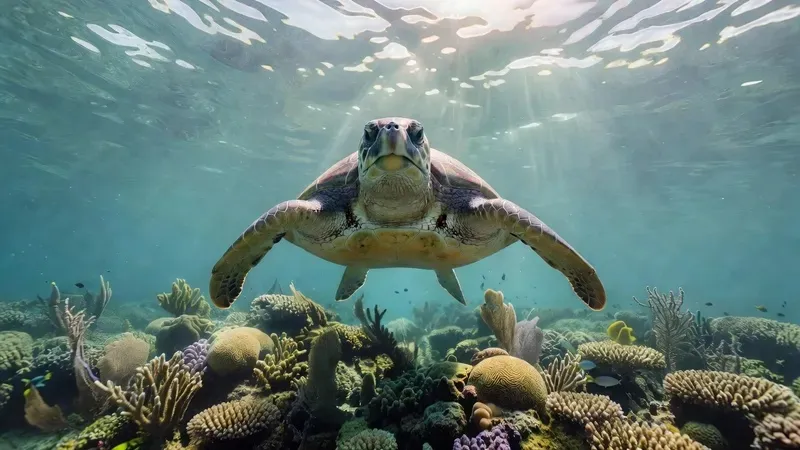
Morning, in every month of the year. The trade wind follows a daily rhythm here: near-calm around dawn, freshening through late morning, strongest by mid-afternoon. A 9:00 departure puts you on the reef during the flattest, clearest hours, and the early-start Blackhawk full day leans into exactly this by leaving about an hour before the other boats, reaching each site ahead of both the chop and the crowd.
Afternoon trips are not a mistake, the light turns golden and the sunset-cruise option is built around it, but if maximum visibility is the goal, take the earliest boat you can get.
The Best Month If You Only Have One Morning
Forced to rank them, this is our shortlist:
- February: the most reliable glassy mornings of the year, at the cost of peak-season crowds
- April: driest skies and the best underwater light, with spring break safely over
- January: nearly as calm, with the occasional cool north front the only wildcard
- Late November: 90% of the dry-season conditions at 70% of the price
The Worst Time to Visit, Honestly
Late September into October. It is the wettest, stormiest stretch of the year, the sea state is the least predictable, and it carries the highest odds that your one planned reef day gets blown out. It still works for one kind of traveler: the flexible one.
If you are on the island for a week, watching the forecast, happy to snorkel on 48 hours' notice and pocketing the cheapest rooms of the year, September and October can reward you with an empty reef. If you have two fixed days and a flight to catch, pick almost any other month. What tours cost does not change in this window, only your odds of using the booking, and the full price picture is in our snorkel tour cost guide.
So, When Should You Go?
Go December to May if conditions are the priority, with February and April the standouts. Go June, July or late November if you want most of the quality at a fraction of the crowds and room rates. Treat August to October as expert mode: real rewards, real cancellation risk, flexible plans required.
Whatever the month, book a morning departure, and if the weather does turn, every listing among the reef trips we compare carries free cancellation up to 24 hours out, and operators rebook or refund in full when they make the weather call themselves. What the day actually feels like stop by stop is in what to expect on a snorkel tour, and if you are torn between trip lengths, the half-day and full-day formats compared settles it.
Timing Your Trip, Answered
What is the single best month to snorkel in Caye Caulker?
February. It sits in the heart of the dry season, the trade winds are at their gentlest, and glassy mornings with 30 to 50 foot visibility are more frequent than in any other month. April runs it close with the driest skies of the year.
Is snorkeling in Caye Caulker good during hurricane season?
Often yes, with caveats. From August to October most days are still boat days and the reef is at its emptiest, but storms anywhere in the western Caribbean can push wind and swell here for days and cancellations come on short notice. Go in this window only with free-cancellation bookings and at least one spare morning in your plans.
When is the water warmest for snorkeling in Belize?
August and September, when the sea around the cayes peaks near 84°F (29°C). The seasonal range is small, 78 to 84°F (26 to 29°C), so no month requires a wetsuit; a thin rash guard for sun protection is all most snorkelers wear year-round.
How far ahead should you book a tour in the dry season?
Three to seven days out for the boats, and two to three months out for rooms. From December to May the best-reviewed departures sell out first, especially over Christmas, New Year and the March spring-break weeks. In the low season from September to November you can usually book a day or two ahead.
Does sargassum ruin snorkeling in Caye Caulker?
Rarely. Sargassum arrives heaviest from March to October and can pile up on east-facing shorelines, but it is a beach problem more than a reef problem: the snorkel sites sit offshore where the boats take you past it, and the Split's current keeps the island's swimming spot mostly clear. It moves on the wind, so no month is guaranteed clean or ruined.
Which is better for snorkeling, morning or afternoon?
Morning, in every month. The trade wind is near-calm at dawn and builds through the day, so early departures get the flattest sea and clearest water. Afternoon trips trade some visibility for golden light and, on the sunset-cruise option, a very good end to the day.
How many days should you plan to guarantee good conditions?
Three nights is the practical minimum: it fits one full-day trip, one half-day, and a spare morning in case wind pushes a departure back a day. In the August to October window, add a day of slack; from December to May, back-to-back good days are the norm.